Gender and Food Security: How Displacement Can Disrupt Traditional Roles in Agriculture-Dependent Communities
Publisher: Migration Policy Institute
Author(s): Gracsious Maviza, Joyce Takaindisa, Mandlenkosi Maphosa, and Thea Synnestvedt
Date: 2025
Topics: Gender, Land, Livelihoods, Protection and Access to Justice
Countries: Mozambique, Zimbabwe
When people are displaced, the structures of everyday life are disrupted. Existing gender roles and responsibilities often both become more intense and shape how individuals respond to their new circumstances.
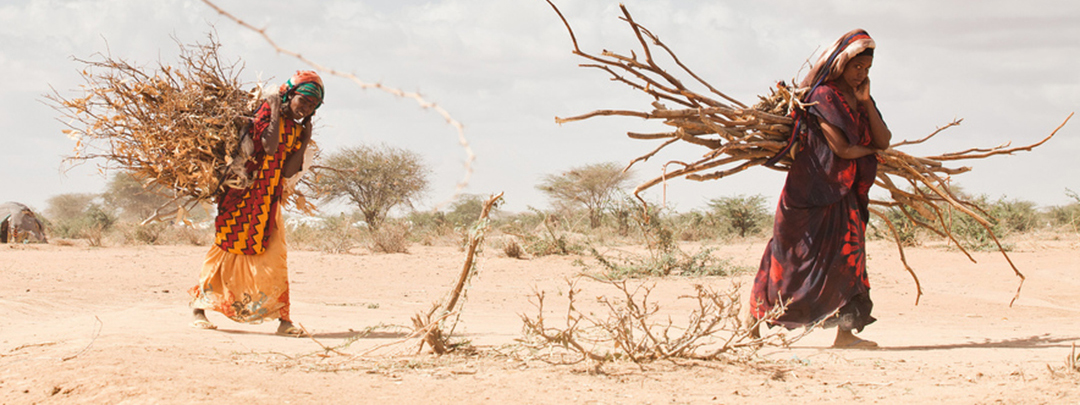
Amid climate change, one domain in which these shifts manifest is in securing and preparing food. Often, displacement crises are accompanied by strained food systems; in many cases, people from agricultural communities move to areas where resources are already scarce and where infrastructure is limited, adding pressure to food, land, and water. In these situations, women often assume new roles as providers and decisionmakers, while men lose their status as breadwinners. Furthermore, many people may be forced to flee without their spouses, often making women both the primary caregivers to children and responsible for household nutritional needs. These gendered shifts can lead to opportunities—as women drive resilience and develop innovative practices for distributing and cultivating food under constrained conditions—and also challenges, such as increased workloads and exposure to gender-based violence and other risks. Risk of gender-based violence is mainly linked to changing household dynamics, where men try to assert their authority through violence as women take on a greater role of getting food and are therefore in more vulnerable situations.
Events in Mozambique and Zimbabwe illustrate these dynamics. The countries are particularly vulnerable to the impacts of climate change and in recent years have seen hundreds of thousands of people displaced internally and, to a lesser extent, across borders. Mozambique faces a double blow, as extreme climate events have occurred alongside a violent conflict involving non-state armed groups. In these contexts, displacement-related food challenges have often reshaped or magnified traditional gender roles, at times giving women new responsibilities but not necessarily new authority.
This article examines the intersection of gender and food systems in displacement in Mozambique and Zimbabwe. It is based in part on participatory research that explored the experiences of climate- and conflict-displaced communities conducted by the authors in 2023 and 2024.