Women and Climate Change: Linking Ground Perspectives to the Global Scenario
Publisher: Indian Journal of Gender Studies
Author(s): Himangana Gupta
Date: 2015
Topics: Climate Change, Gender, Governance
Countries: India
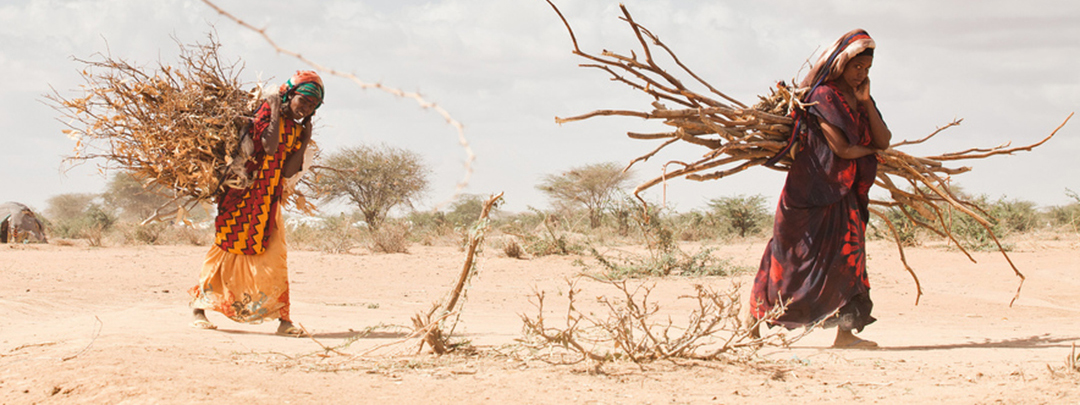
The 18th Conference of Parties (COP-18) to the United Nations Framework Convention on Climate Change (UNFCCC) at Doha in 2012 decided to enhance the participation of women in climate negotiations. The decision was immediately dubbed the ‘Doha Miracle’, although it was not the first of its kind. The decision to recognise gender equality was first taken 11 years earlier at Marrakesh in 2001, but progress has been very slow. However, giving women representation in international negotiations will make little difference in the real world where women, who as a group are the most vulnerable to climate change, have no say in decision-making, even at the community level, although they are the ones who bear the brunt of climate change and the burden of adaptation. Discussing their strengths and vulnerabilities, this article suggests ways for their inclusion in order to benefit from their perspective and expertise by making the best use of existing institutions in India.