Empowering Women Means Taking a Stand for Environmental Rights
Publisher: UN Environment
Date: 2019
Topics: Assessment, Climate Change, Gender, Governance, Land, Livelihoods, Protection and Access to Justice
Countries: Kenya
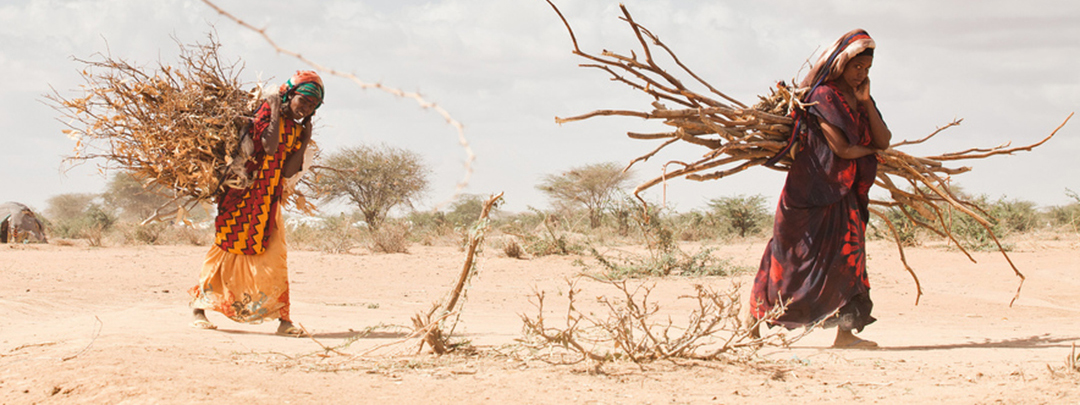
The Samburu, a pastoralist indigenous tribe from the vast semi-arid and arid rangelands of Northern Kenya, face many of the same challenges as other indigenous communities around the world. They have few opportunities to influence or manage activities that affect their environment, and insufficient information and understanding of their entitlements and rights when large development and infrastructure projects come to do business on their lands.
But the women within that community have even greater hurdles to overcome. When it comes to the management of land and livestock, most Samburu women have little power: they don’t own property and are excluded from community meetings. They are among the many millions of women who produce between 60 and 80 per cent of food in developing countries but own only 2 per cent of land worldwide. They are the disempowered among the disadvantaged.